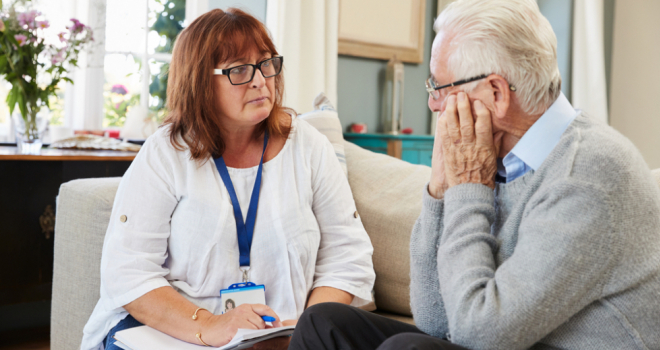
"We know that the more mental health is talked about, the more likely people are to feel able to ask for help."
- Christine Husbands - RedArc
Ahead of World Mental Health Day on 10th October 2026, RedArc’s latest analysis of its referral data has found that, over the past five years, more people sought mental health support from the nurse-led support organisation during October than in any other month.
RedArc says that the increase coincides with the heightened focus on mental health throughout October, suggesting that greater awareness and more open conversations may encourage more people to reach out for support.
During the past five years, 44% of people sought support for anxiety and stress, including panic disorders, making it the condition for which the most people sought support. This is followed by depression and mood disorders, for which 15% of people sought support, and PTSD and trauma at 8%.
RedArc stresses the importance of ensuring people have access to clinically led mental health support. While some may seek help from RedArc with an existing diagnosis, many are unsure what is wrong or what support they need.
According to RedArc, rather than relying on self-diagnosis, specialist mental health clinicians can carry out structured assessments, including the PHQ-9 for depression and the GAD-7 for anxiety, to build a clear picture of an individual's needs. This enables them to recommend the most appropriate support, ensuring people receive the right help at the right time.
READ MORE: Over half of employers offer mental health as preventative support: GRiD
"We know that the more mental health is talked about, the more likely people are to feel able to ask for help," Christine Husbands, commercial director at RedArc, said. "That's why it's so important to keep mental health firmly on the agenda, not just on World Mental Health Day and during October, but throughout the year.
"Promoting the support that's available, talking openly about mental health, and helping to normalise those conversations can all make it easier for someone to take that first step and ask for help."
"Raising awareness, particularly through campaigns such as World Mental Health Day, is incredibly important, but awareness alone isn't enough," Christine added. "It has to be matched by access to the right support.
"Whether an individual has a diagnosed condition or simply knows they are struggling with their mental health, having access to experienced, clinically trained mental health specialists who can assess their needs, understand what's driving those symptoms and guide them to the most appropriate support can make all the difference. The sooner someone gets the right support, the sooner they can begin to recover."