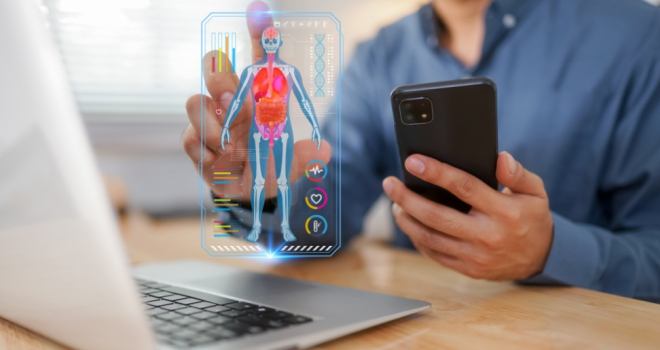
RedArc has reported an increase in referrals involving people who have already accessed AI generated health information before seeking professional support.
The firm said people are increasingly using artificial intelligence tools to check symptoms and research potential diagnoses and treatments. In some cases, it said this can leave individuals confused or with misconceptions that require further clinical guidance.
RedArc said the trend means organisations and support providers increasingly need to account for information people may have gathered through AI before they seek help.
Christine Husbands, commercial consultant at RedArc, said: "One of the many challenges with health information is that people don't know what they don't know, so often don’t know the right questions to ask. While AI has made information more accessible, it can also take people down unhelpful paths, creating confusion rather than providing clarity. It certainly cannot yet provide the personalised care, reassurance and clinical perspective that people usually need when a significant health matter arises.
"Human expertise remains essential in ensuring people receive the correct type of support for them. Human qualities, such as empathy and judgement, together with the huge information-collation capabilities of AI is a very powerful combination."
RedArc highlighted several potential risks associated with relying on AI for health information, including the quality of the information used to generate responses and the lack of professional accountability or clinical oversight.
It also raised concerns about how users interpret AI generated information, as responses can be influenced by how questions are framed and may differ between AI systems, potentially reinforcing existing concerns rather than providing wider clinical context.
The firm added that the conversational nature of AI tools could give users the impression that they are receiving personalised guidance, which may lead some people to place greater trust in the information provided.
Husbands added: "Increasingly, organisations need to recognise that many people will have already extensively researched their symptoms, explored possible diagnoses and even formed views on treatment options before speaking to a professional.
"It is important not to dismiss this information, but to help people understand it in the context of their own circumstances. Therefore, effective support has always been, and will remain, fundamentally human. However, as AI becomes more widely used, organisations must ensure that they are, or their chosen support provider is, equipped to help people interpret the information they find and guide them towards the most appropriate support."