"For advisers, the important message is that these treatments should be disclosed accurately."
- Andrew Doran - UnderwriteMe
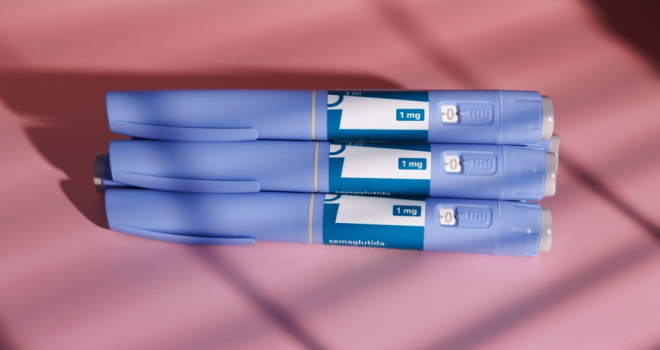
New analysis from UnderwriteMe’s 'Protection Platform Pulse Report 2026' has found that more than one in 100 protection applicants now disclose weight loss treatment on its protection platform.
The report revealed that the proportion of applicants disclosing weight loss treatment has increased from 0.04% in 2024 to 1.3% in 2026, with 58% of applicants sourcing treatment privately.
The rise comes amid the growing availability of GLP-1 and dual GLP-1/GIP medicines alongside established lifestyle and specialist weight management services.
Despite the increase in disclosures, the highest observed buy-now rates were 97.9% for life cover and 92.1% for critical illness cover. According to UnderwriteMe, this indicates that among cases assessed through the protection platform, disclosing weight loss treatment does not in itself generally prevent an immediate protection outcome.
However, individual underwriting decisions can still depend on an applicant's wider health profile, including how treatment was obtained, BMI, associated medical conditions, treatment history and any complications.
UnderwriteMe introduced a dedicated weight loss treatment question set on the protection platform in November 2025, with the aim of enabling buy-now terms for these disclosures and allowing advisers to capture more relevant and accurate information about an applicant's circumstances.
Consumer understanding of the issue remains mixed. Research conducted by UnderwriteMe among 2000 UK adults found that 37% of UK adults said they did not know what impact weight loss medication would have on their chances of being accepted for protection insurance, rising to 52% among Baby Boomers (aged 62-80).
READ MORE: 77% of employers use case-by-case basis to fund employee support directly
A third of adults believed it would make no difference, 15% thought it would make acceptance more likely, and another 15% thought it would make acceptance less likely.
Among Gen Z respondents (aged 18-29), 24% believed they would be less likely to be accepted for protection insurance if they disclosed use of weight loss medication, higher than any other age group.
"The growth in use of weight loss treatments is a good example of how quickly the protection market needs to respond to changes in medicine and customer behaviour," Andrew Doran, CEO of UnderwriteMe, said.
"What's particularly encouraging is that the increase in customer disclosures has not prevented strong buy-now outcomes.
"The highest observed rates reached 97.9% for life cover and 92.1% for critical illness cover, showing that disclosing weight loss treatment does not in itself generally prevent an applicant receiving an immediate outcome.
"For advisers, the important message is that these treatments should be disclosed accurately, just like any other relevant medical information.
"For customers, it should be equally reassuring that disclosing weight loss treatment does not automatically prevent them from obtaining protection insurance. Full and accurate disclosure enables insurers to properly assess their individual circumstances."